
As we look ahead to 2025, the real estate landscape in the Twin Cities is poised for significant transformation. The interplay of various factors, including demographic shifts, economic conditions, and evolving consumer preferences, is shaping the market in ways that are both exciting and challenging. We find ourselves at a pivotal moment where understanding these trends is essential for buyers, sellers, and investors alike.
The Twin Cities, known for their vibrant culture and strong economy, are experiencing a dynamic shift that reflects broader national trends while also showcasing unique local characteristics. In this article, we will explore the key trends that are expected to define the Twin Cities real estate market in 2025. From changing housing preferences to the impact of technology and sustainability initiatives, we will delve into the factors that are influencing how we buy, sell, and live in our homes.
By examining these trends, we can better prepare ourselves for the future of real estate in this region, ensuring that we make informed decisions that align with our goals and values. Twin Cities Business Directory is a great resource for finding local businesses in the Minneapolis and St. Paul area.
Shift in Housing Preferences
One of the most notable trends we are witnessing is a significant shift in housing preferences among buyers. As we move into 2025, many of us are prioritizing different aspects of homeownership than previous generations. The desire for larger homes with ample outdoor space has surged, driven by a collective yearning for comfort and a connection to nature.
We are increasingly drawn to properties that offer not just shelter but also a sanctuary where we can unwind and enjoy our surroundings. Moreover, urban living is evolving as well. While many of us still appreciate the vibrancy of city life, there is a growing interest in suburban areas that provide a balance between urban amenities and a quieter lifestyle.
This trend is particularly evident among families seeking more space for children to play and grow. As we navigate these changing preferences, it becomes clear that flexibility and adaptability will be key in meeting the diverse needs of homebuyers in the Twin Cities.
Impact of Technology on Real Estate
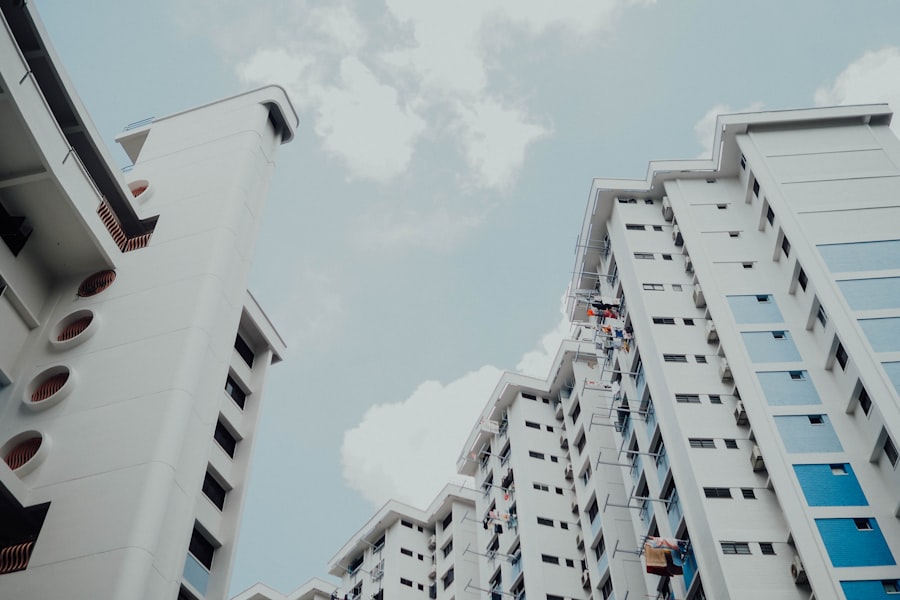
The influence of technology on the real estate market cannot be overstated. As we approach 2025, we are witnessing a digital revolution that is reshaping how we engage with properties. From virtual tours to online listings, technology has made it easier than ever for us to explore potential homes from the comfort of our own devices.
This shift not only streamlines the buying process but also enhances our ability to make informed decisions based on comprehensive data. Additionally, advancements in smart home technology are becoming increasingly prevalent in new developments. Many of us are now seeking homes equipped with smart features that enhance convenience and energy efficiency.
From automated lighting systems to advanced security measures, these innovations are not just appealing; they are becoming essential components of modern living. As we embrace these technological advancements, it is clear that they will continue to play a pivotal role in shaping our real estate experiences in the Twin Cities.
Sustainable and Eco-Friendly Development
Sustainability is no longer just a buzzword; it has become a guiding principle in real estate development. As we look toward 2025, there is a growing emphasis on eco-friendly practices and sustainable building materials within the Twin Cities market. Many of us are increasingly aware of our environmental impact and are actively seeking homes that reflect our values.
This shift is prompting developers to prioritize green building practices, energy-efficient designs, and sustainable landscaping. Moreover, community initiatives aimed at promoting sustainability are gaining traction. We see neighborhoods coming together to create green spaces, implement recycling programs, and support local businesses that prioritize eco-friendly practices.
This collective effort not only enhances our quality of life but also fosters a sense of community and shared responsibility for the environment. As we move forward, it is evident that sustainable development will be a cornerstone of the Twin Cities real estate landscape.
Changes in Neighborhood Dynamics
The dynamics of neighborhoods across the Twin Cities are evolving as well. As we approach 2025, we are witnessing a shift in how communities are structured and what they offer residents. Many of us are seeking neighborhoods that provide a sense of belonging and connection, leading to an increased demand for mixed-use developments that combine residential, commercial, and recreational spaces.
This trend is fostering a more walkable lifestyle, where amenities such as shops, parks, and restaurants are easily accessible without the need for a car. We find ourselves gravitating toward areas that promote social interaction and community engagement. As neighborhoods adapt to these changing preferences, we can expect to see an increase in public spaces designed for gatherings and events, further enhancing our sense of community.
Influence of Remote Work on Housing Market
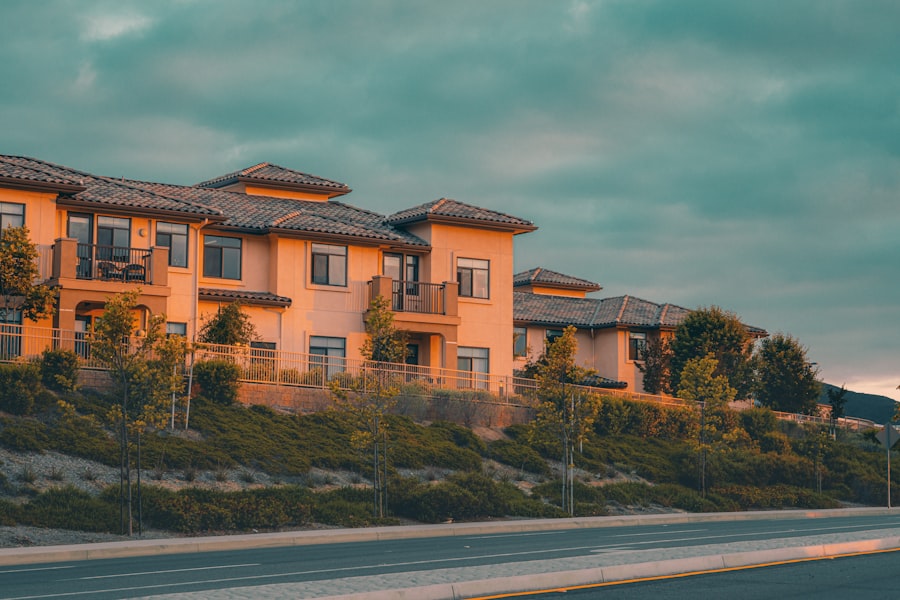
The rise of remote work has had a profound impact on the housing market in the Twin Cities. As we navigate through 2025, many of us have embraced flexible work arrangements that allow us to prioritize our living environments in new ways. The traditional notion of commuting to an office daily is becoming less relevant for many professionals, leading to increased interest in homes located further from urban centers.
This shift has resulted in a surge in demand for properties in suburban areas or even rural settings where we can enjoy larger homes at more affordable prices. The desire for dedicated home office spaces has also become paramount as we adapt to this new work culture. As remote work continues to shape our lives, it is clear that its influence on housing preferences will remain significant in the years to come.
Affordable Housing Initiatives
As we look toward 2025, addressing the issue of affordable housing remains a critical concern for many residents in the Twin Cities. The rising cost of living has made it increasingly challenging for individuals and families to find suitable housing within their budgets. In response to this pressing issue, various initiatives are being implemented to promote affordable housing options across the region.
Local governments and organizations are collaborating to develop programs aimed at increasing access to affordable housing through subsidies, grants, and innovative financing solutions. We see efforts being made to repurpose underutilized properties into affordable units while also encouraging developers to include affordable options within new projects. By prioritizing affordable housing initiatives, we can work together to ensure that everyone has access to safe and stable living conditions.
Forecast for Commercial Real Estate
As we approach 2025, the commercial real estate sector in the Twin Cities is undergoing its own set of transformations. The pandemic has accelerated changes in how businesses operate, leading to shifts in demand for office spaces and retail environments. Many companies are reevaluating their real estate needs as they adapt to hybrid work models and changing consumer behaviors.
We anticipate a continued focus on flexible office spaces that cater to diverse work styles and foster collaboration among teams. Additionally, there is an increasing interest in mixed-use developments that combine residential living with commercial opportunities. This trend not only enhances convenience for residents but also supports local economies by creating vibrant hubs where people can live, work, and play.
In conclusion, as we look ahead to 2025, the Twin Cities real estate market is poised for significant change driven by evolving preferences, technological advancements, sustainability initiatives, and shifts in neighborhood dynamics. By staying informed about these trends and actively participating in discussions around housing solutions, we can collectively shape a future that meets our needs while fostering a sense of community and belonging within our neighborhoods. The journey ahead may be complex, but it also presents us with exciting opportunities to redefine what it means to live and thrive in the Twin Cities.
As the Twin Cities real estate market continues to evolve, understanding the broader lifestyle and recreational opportunities in the area can provide valuable context for potential homebuyers and investors. One such opportunity is the vibrant local culture, which includes events like the Minnesota Craft Beer Festival. This festival not only highlights the region’s thriving craft beer scene but also reflects the community’s dynamic and engaging lifestyle. For more information on this event, you can check out the Minnesota Craft Beer Festival 2025. This connection between real estate trends and local events underscores the importance of considering lifestyle factors when exploring real estate opportunities in the Twin Cities.