
Farmers markets have become a vibrant staple in the Twin Cities, offering a unique blend of fresh produce, artisanal goods, and a sense of community. As you stroll through the bustling aisles, you’ll find an array of colorful fruits and vegetables, homemade jams, and handcrafted items that reflect the local culture. These markets not only provide you with the freshest ingredients but also create a space where you can connect with local farmers and artisans.
The atmosphere is often lively, filled with the sounds of laughter, music, and the chatter of neighbors catching up over their favorite finds. In Minneapolis and St. Paul, farmers markets are more than just places to shop; they are community hubs that foster relationships between consumers and producers.
You’ll discover that many vendors are passionate about sustainable farming practices and are eager to share their stories with you. This connection to the source of your food can deepen your appreciation for what you eat and encourage you to make more informed choices. Whether you’re a seasoned market-goer or a first-time visitor, the experience is sure to be enriching and enjoyable. Discover exciting Things To Do in Minneapolis for an unforgettable experience.
Key Takeaways
- Farmers markets in the Twin Cities offer fresh, local produce and unique specialty items.
- Shopping local supports farmers, boosts the economy, and promotes sustainability.
- Minneapolis and St. Paul each have popular markets with diverse vendors and products.
- Planning visits with tips like bringing reusable bags enhances the market experience.
- Markets often feature community events, fostering connection and local culture.
Benefits of Shopping Local at Farmers Markets
Shopping at farmers markets offers numerous benefits that extend beyond simply purchasing fresh produce. One of the most significant advantages is the opportunity to support local economies. When you buy directly from farmers and artisans, you’re helping to sustain their livelihoods and contribute to the local community.
This direct support fosters economic growth and encourages sustainable practices that benefit everyone in the area. Additionally, shopping local means you’re likely to find fresher and more flavorful products. Since the produce is often harvested just hours before being sold, it retains its peak freshness and nutritional value.
You’ll notice the difference in taste when you bite into a ripe tomato or crunch into a crisp apple. Moreover, many vendors grow heirloom varieties that may not be available in grocery stores, allowing you to explore unique flavors and textures that can elevate your culinary creations.
Top Farmers Markets in Minneapolis
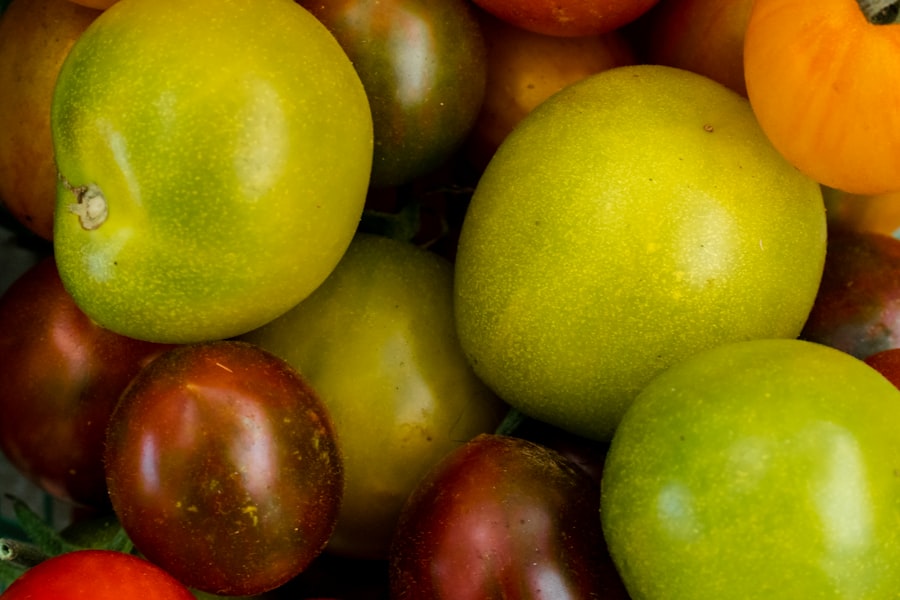
Minneapolis boasts several farmers markets that cater to diverse tastes and preferences. One of the most popular is the Minneapolis Farmers Market, located near the North Loop neighborhood. This market features over 200 vendors offering everything from organic produce to handmade crafts.
As you wander through the stalls, you’ll encounter a wide variety of seasonal fruits and vegetables, baked goods, and even locally sourced meats. The vibrant atmosphere is enhanced by live music and community events that make each visit a delightful experience. Another gem in Minneapolis is the Midtown Farmers Market, which takes place year-round.
This market is known for its commitment to sustainability and social justice, featuring vendors who prioritize organic farming practices and fair trade principles. You’ll find an impressive selection of fresh produce, prepared foods, and artisan products that reflect the diverse cultures of the Twin Cities. The market also hosts cooking demonstrations and workshops, providing you with valuable knowledge on how to prepare seasonal ingredients.
St. Paul is equally rich in farmers market offerings, with several notable options for you to explore. The St. Paul Farmers Market is a must-visit destination for anyone looking to experience the best of local agriculture. Located in the heart of downtown, this market features a wide array of vendors selling everything from fresh fruits and vegetables to handmade crafts and specialty foods. The lively atmosphere is complemented by live music and community events that create a festive environment for shoppers. Another fantastic option is the Grand Avenue Farmers Market, which takes place during the summer months. This market showcases local farmers and artisans who bring their best products to share with the community. You’ll find an impressive selection of organic produce, baked goods, and unique crafts that reflect the creativity of St. Paul’s residents. The market also emphasizes sustainability, encouraging vendors to use eco-friendly practices in their production processes.
Tips for Making the Most of Your Farmers Market Experience
To truly enjoy your farmers market experience, consider arriving early to beat the crowds and get first pick of the freshest produce. Many vendors have limited quantities of popular items, so getting there early can ensure you don’t miss out on your favorites. Bring reusable bags to carry your purchases; this not only helps reduce waste but also makes it easier for you to transport your goods.
Engaging with vendors is another key aspect of making the most of your visit. Don’t hesitate to ask questions about their products or farming practices; most vendors are more than happy to share their knowledge and passion with you. This interaction can lead to discovering new recipes or cooking tips that enhance your culinary skills.
Additionally, consider trying something new each time you visit; whether it’s an unfamiliar vegetable or a unique artisan product, expanding your palate can be a rewarding experience.
Supporting Local Farmers and Producers
When you shop at farmers markets, you’re not just buying food; you’re actively supporting local farmers and producers who work tirelessly to bring fresh products to your table. Many small-scale farmers face challenges in competing with large agricultural operations, but by choosing to shop locally, you help sustain their businesses and promote agricultural diversity in your community. This support fosters a resilient food system that prioritizes quality over quantity.
Moreover, purchasing from local producers often means that you’re contributing to environmentally friendly practices. Many farmers at these markets prioritize sustainable farming methods that protect soil health, conserve water, and reduce chemical usage. By choosing to buy from them, you’re making a conscious decision to support practices that benefit both your health and the planet’s well-being.
Seasonal Produce and Specialty Items to Look for

One of the joys of visiting farmers markets is discovering seasonal produce that reflects the changing seasons. In spring, you might find tender asparagus, radishes, and leafy greens bursting with flavor. As summer arrives, vibrant tomatoes, sweet corn, and juicy berries take center stage, inviting you to create refreshing salads and desserts.
Fall brings an abundance of squash, apples, and root vegetables perfect for hearty soups and roasts. In addition to seasonal produce, many farmers markets feature specialty items that can elevate your meals. Look for locally made cheeses, artisanal breads, and unique condiments that showcase regional flavors.
You may also come across handmade crafts such as candles or pottery that make for thoughtful gifts or home decor items. Exploring these specialty offerings can add a delightful twist to your shopping experience.
Community Events and Activities at Farmers Markets
Farmers markets are not just about shopping; they often host a variety of community events and activities that enhance the overall experience for visitors like you. Many markets feature live music performances that create a festive atmosphere as you browse through stalls filled with fresh produce and artisanal goods. These performances often showcase local talent, giving you a chance to enjoy some entertainment while supporting your community.
Additionally, many farmers markets organize workshops or cooking demonstrations that provide valuable insights into preparing seasonal ingredients or using unique products available at the market. These events can inspire you to try new recipes or cooking techniques that enhance your culinary repertoire. Engaging in these activities not only enriches your market experience but also fosters a sense of community as you connect with fellow shoppers who share your passion for local food.
In conclusion, exploring farmers markets in the Twin Cities offers a wealth of benefits that extend beyond simply purchasing fresh produce. By shopping locally, you support small-scale farmers and artisans while enjoying delicious seasonal offerings that enhance your meals. With numerous markets in both Minneapolis and St.
Paul, there’s no shortage of opportunities for you to engage with your community while discovering new flavors and experiences. So grab your reusable bags and head out to your nearest farmers market—you’re sure to find something delightful waiting for you!
If you’re looking to enhance your experience in the Twin Cities beyond the vibrant farmers markets, consider exploring some of the unique museum experiences available in Minneapolis and St. Paul. These cultural gems offer a fantastic way to spend a day after shopping for fresh, local produce. For more information, check out this article on unique museum experiences in Minneapolis and St. Paul.
Things To Do in the Twin Cities
FAQs
What are the Twin Cities farmers markets?
The Twin Cities farmers markets are local markets in Minneapolis and St. Paul where farmers, artisans, and food producers sell fresh, locally grown and made products directly to consumers.
When do the Twin Cities farmers markets typically operate?
Most Twin Cities farmers markets operate seasonally, generally from late spring through early fall. Specific days and hours vary by market.
Where are the main farmers markets located in Minneapolis and St. Paul?
Popular farmers markets in Minneapolis include the Minneapolis Farmers Market and the Linden Hills Farmers Market. In St. Paul, notable markets include the St. Paul Farmers Market and the Highland Village Farmers Market.
What types of products can I find at these farmers markets?
You can find fresh fruits and vegetables, meats, dairy products, baked goods, flowers, plants, handmade crafts, and specialty foods such as honey, jams, and sauces.
Are the products at Twin Cities farmers markets organic?
Many vendors offer organic products, but not all items are certified organic. It’s best to ask individual vendors about their growing or production practices.
Can I use SNAP or other food assistance benefits at these markets?
Yes, many Twin Cities farmers markets accept SNAP benefits and participate in programs like Double Up Food Bucks to help make fresh produce more affordable.
Are the farmers markets family-friendly?
Yes, most markets are family-friendly and often feature activities, live music, and educational opportunities for children.
Is parking available at the farmers markets?
Parking availability varies by location. Some markets have dedicated parking lots, while others rely on street parking or nearby public transit options.
Can I bring my pet to the farmers markets?
Policies on pets vary by market. Many markets allow well-behaved dogs on leashes, but it’s recommended to check the specific market’s rules before bringing a pet.
How can I find the schedule and location of Twin Cities farmers markets?
Schedules and locations are typically available on the official websites of the markets, local tourism sites, or community event calendars. Many markets also have social media pages with up-to-date information.