
When you think of Minnesota, the rich tapestry of its history and culture often comes to mind, woven together through its historic landmarks and museums. As you explore the state, you will find that each site tells a unique story, offering a glimpse into the past that shaped the present. From the bustling streets of Minneapolis to the serene landscapes of St.
Paul, these landmarks serve as a testament to the resilience and creativity of the people who have called this region home. Visiting these historic sites is not just about observing; it’s about immersing yourself in the narratives that have unfolded over centuries. You can wander through museums that house artifacts from Native American cultures, early settlers, and the industrial revolution.
Each exhibit invites you to engage with history in a way that is both educational and inspiring. Whether you are standing in front of a painting that captures the essence of Minnesota’s natural beauty or examining tools used by early pioneers, you will find that these experiences deepen your appreciation for the state’s heritage. Discover exciting Things To Do in Minneapolis for an unforgettable experience.
Key Takeaways
- Explore rich history through landmarks like the Cathedral of Saint Paul and Historic Fort Snelling.
- Visit the Minnesota State Capitol for impressive architecture and state history.
- Discover charming historic neighborhoods and Summit Avenue’s notable homes.
- Enjoy scenic Mississippi River boat tours highlighting local heritage.
- Experience unique historic cave tours offering underground exploration.
Cathedral of Saint Paul
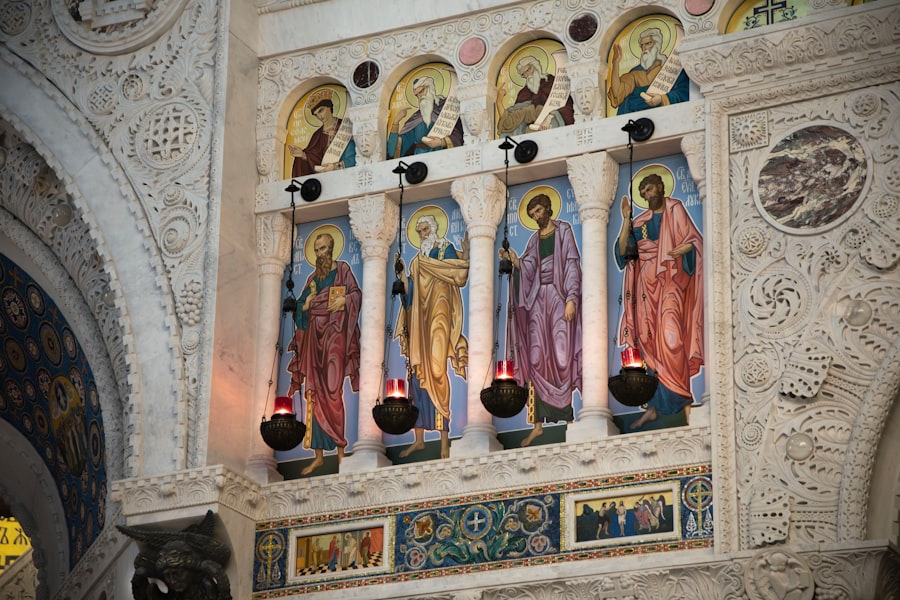
The Cathedral of Saint Paul stands as a magnificent symbol of faith and architectural beauty in the heart of Minnesota’s capital. As you approach this grand structure, its towering dome and intricate stonework command your attention, inviting you to step inside and explore its sacred space. The cathedral, completed in 1915, is not only a place of worship but also a masterpiece of design, blending elements of Romanesque and Byzantine architecture.
You may find yourself captivated by the stunning stained glass windows that filter sunlight into a kaleidoscope of colors, illuminating the interior with a divine glow. Inside, the atmosphere is one of tranquility and reverence. You can take a moment to reflect in the serene chapels or admire the detailed murals that adorn the walls, each telling a story of faith and devotion.
The cathedral also hosts various events throughout the year, from concerts to religious ceremonies, allowing you to experience its vibrant community life. Whether you are drawn by spiritual curiosity or architectural admiration, visiting the Cathedral of Saint Paul is an enriching experience that connects you to both history and culture.
Historic Fort Snelling
Fort Snelling is a cornerstone of Minnesota’s military history, strategically located at the confluence of the Mississippi and Minnesota Rivers. As you walk through this historic fort, you can almost hear the echoes of soldiers from centuries past. Established in 1820, Fort Snelling played a crucial role in the westward expansion of the United States and served as a military outpost during various conflicts.
You will find that exploring its grounds offers a fascinating insight into life during this pivotal time in American history. The fort’s well-preserved buildings and informative exhibits allow you to step back in time. You can engage with reenactors who bring history to life, demonstrating daily activities and military drills from the 19th century.
The fort also provides stunning views of the surrounding landscape, making it an ideal spot for reflection on both nature and history. As you delve into the stories of those who served here, you will gain a deeper understanding of Minnesota’s role in shaping national events.
Minnesota State Capitol
The Minnesota State Capitol is not just a seat of government; it is an architectural gem that reflects the state’s commitment to democracy and civic engagement. As you approach this impressive building, its golden dome glistens against the sky, beckoning you to explore its halls. Completed in 1905, the Capitol showcases a blend of Renaissance Revival and Beaux-Arts styles, making it one of the most beautiful state capitols in the country.
You will be struck by the intricate details found in its marble floors, ornate ceilings, and grand staircases. Inside, guided tours provide an opportunity to learn about the legislative process while marveling at the artwork that adorns the walls. You can visit the chambers where laws are debated and passed, gaining insight into the workings of state government.
The Capitol also hosts various events throughout the year, from public hearings to cultural celebrations, allowing you to witness democracy in action. Your visit to the Minnesota State Capitol will leave you with a sense of pride in your state’s governance and history.
Historic Neighborhoods and Architecture
As you wander through Minnesota’s historic neighborhoods, you will discover a diverse array of architectural styles that reflect the state’s rich cultural heritage. From Victorian mansions to Arts and Crafts bungalows, each neighborhood tells its own story through its buildings. You might find yourself strolling down tree-lined streets in St.
Paul’s Summit Avenue, where some of the most opulent homes from the late 19th century stand proudly. These residences not only showcase exquisite craftsmanship but also offer a glimpse into the lives of influential figures who shaped Minnesota’s history. In Minneapolis, neighborhoods like Northeast and Lowry Hill boast an eclectic mix of architecture that mirrors the city’s evolution over time.
You can explore converted warehouses that now house trendy shops and restaurants or admire historic churches that have stood for generations. Each block reveals layers of history waiting to be uncovered. As you take in these sights, consider how architecture serves as a reflection of societal values and aspirations throughout different eras.
Mississippi River Boat Tours
Experiencing Minnesota from the water offers a unique perspective on its natural beauty and historical significance. Aboard a Mississippi River boat tour, you can glide along one of America’s most iconic rivers while soaking in breathtaking views of lush landscapes and historic landmarks. The gentle rhythm of the water beneath you creates a serene atmosphere as you learn about the river’s vital role in shaping commerce and culture in Minnesota.
During your cruise, knowledgeable guides share fascinating stories about the river’s history, including tales of early explorers and settlers who relied on its waters for transportation and trade. You may spot wildlife along the banks or witness stunning sunsets reflecting off the water’s surface. Whether you’re enjoying a leisurely afternoon cruise or an evening dinner tour, being on the Mississippi River allows you to connect with Minnesota’s natural environment in a way that is both relaxing and enlightening.
Historic Summit Avenue
Summit Avenue is often regarded as one of America’s most beautiful streets, lined with stunning historic homes that reflect St. Paul’s affluent past. As you stroll along this picturesque avenue, you will be captivated by the architectural diversity that ranges from grand mansions to charming cottages.
This street has been home to many prominent figures throughout history, including governors, business leaders, and even a U.S. president. Each residence has its own story to tell, contributing to the rich narrative of St.
Paul. You might choose to take a guided walking tour to fully appreciate the historical significance of each home along Summit Avenue. Knowledgeable guides will share anecdotes about notable residents and architectural details that make each house unique.
The tree-lined sidewalks provide a peaceful setting for exploration, allowing you to immerse yourself in both history and nature. A visit to Summit Avenue is not just about admiring beautiful homes; it’s an opportunity to reflect on how these structures have shaped community identity over time.
Historic Cave Tours
For those seeking adventure beneath Minnesota’s surface, historic cave tours offer an exciting glimpse into the state’s geological wonders. The caves are not only natural formations but also hold significant historical importance as they were once used by Native Americans for shelter and storage. As you descend into these cool underground chambers, you will be awed by stunning stalactites and stalagmites formed over thousands of years.
Guided tours provide insights into both geology and history as you navigate through winding passages and expansive caverns. You may learn about how early settlers utilized these caves for various purposes or hear tales of explorers who ventured into their depths seeking treasure or adventure. The unique ecosystems within these caves also offer opportunities for wildlife observation, making your visit both educational and thrilling.
Exploring Minnesota’s historic caves allows you to connect with nature while uncovering layers of history hidden beneath your feet. In conclusion, Minnesota is rich with historic landmarks and experiences that invite exploration and reflection. From majestic cathedrals to charming neighborhoods, each site offers a unique perspective on the state’s past while enriching your understanding of its culture today.
Whether you’re wandering through museums or cruising along the Mississippi River, every moment spent discovering Minnesota’s history deepens your connection to this remarkable place.
If you’re exploring the rich history of St. Paul, you might also be interested in discovering the various guided tours of historic sites in Minneapolis. These tours offer a fantastic opportunity to delve deeper into the area’s heritage while enjoying the vibrant culture of the Twin Cities. For more information, check out this related article on guided tours of historic sites in Minneapolis.
Things To Do in the Twin Cities
FAQs
What are some must-see historic attractions in St. Paul?
Some must-see historic attractions in St. Paul include the Minnesota State Capitol, the James J. Hill House, the Cathedral of Saint Paul, and the Historic Fort Snelling. These sites offer a glimpse into the city’s rich history and architectural heritage.
Where is the Minnesota State Capitol located?
The Minnesota State Capitol is located in downtown St. Paul at 75 Rev Dr Martin Luther King Jr Blvd. It is a prominent landmark known for its impressive architecture and beautiful murals.
Can visitors tour the James J. Hill House?
Yes, visitors can tour the James J. Hill House, which was the home of railroad magnate James J. Hill. The mansion is a National Historic Landmark and offers guided tours that showcase its architecture and history.
What is the significance of the Cathedral of Saint Paul?
The Cathedral of Saint Paul is one of the most iconic landmarks in St. Paul. It serves as the mother church of the Roman Catholic Archdiocese of Saint Paul and Minneapolis and is known for its stunning Beaux-Arts architecture and beautiful interior.
Is Fort Snelling open to the public?
Yes, Historic Fort Snelling is open to the public. It is a historic military fort located at the confluence of the Minnesota and Mississippi Rivers and offers educational programs, reenactments, and exhibits about Minnesota’s early history.
Are there any historic neighborhoods to explore in St. Paul?
Yes, neighborhoods like Summit Avenue are famous for their historic mansions and well-preserved architecture. Summit Avenue is one of the longest stretches of Victorian-era homes in the United States.
What other activities complement visiting historic sites in St. Paul?
Visitors can enjoy walking tours, visit local museums such as the Minnesota History Center, and explore nearby parks and riverfront areas. Dining at historic restaurants and attending cultural events also enhance the experience.
Is public transportation available to reach these historic attractions?
Yes, St. Paul has a public transportation system including buses and light rail that connect many of the city’s historic sites. Additionally, many attractions are within walking distance of each other in downtown St. Paul.
Are there any annual events related to St. Paul’s history?
Yes, St. Paul hosts several annual events such as the Historic Fort Snelling’s reenactments, the Summit Avenue House Tour, and various cultural festivals that celebrate the city’s heritage.
What is the best time of year to visit St. Paul for historic sightseeing?
Spring through fall is generally the best time to visit St. Paul for historic sightseeing due to milder weather and outdoor events. Winter can be cold, but some indoor attractions remain open year-round.