
Minneapolis and St. Paul, often referred to as the Twin Cities, are two vibrant urban centers located in the heart of Minnesota. These cities are not only geographically close but also share a rich cultural and historical tapestry that has shaped their identities over the years.
As you explore these cities, you will find a unique blend of modernity and tradition, where bustling urban life coexists with serene natural beauty. The Mississippi River flows between them, serving as a natural boundary and a vital artery for commerce and recreation. The Twin Cities are known for their diverse communities, thriving arts scene, and a strong commitment to education and innovation.
Minneapolis boasts a dynamic economy driven by various industries, including finance, healthcare, and technology, while St. Paul serves as the state capital, housing numerous government institutions and historical sites. Together, they create a unique atmosphere that attracts visitors from all over the world, eager to experience the rich history and culture that define this region. Things To Do in Minneapolis offers a wide variety of activities for locals and visitors alike.
Key Takeaways
- Minneapolis and St. Paul are twin cities located in the state of Minnesota, known for their rich history and cultural significance.
- Minneapolis is home to historic landmarks such as the Stone Arch Bridge, Mill City Museum, and the Foshay Tower, which showcase the city’s industrial and architectural heritage.
- St. Paul boasts historic landmarks like the Cathedral of Saint Paul, the James J. Hill House, and the Landmark Center, reflecting the city’s religious, business, and cultural history.
- The architectural and cultural significance of these landmarks contributes to the unique identity and character of Minneapolis and St. Paul, attracting visitors and residents alike.
- Preservation efforts and restoration projects are ongoing to maintain and protect these historic landmarks, ensuring their continued impact on local communities and future generations.
As you wander through Minneapolis, you will encounter a plethora of historic landmarks that tell the story of the city’s past. One of the most iconic sites is the Mill City Museum, which stands on the ruins of what was once the world’s largest flour mill. This museum not only showcases the city’s milling history but also offers stunning views of the Mississippi River and the Stone Arch Bridge.
The bridge itself is a marvel of engineering, completed in 1883, and serves as a testament to the city’s industrial prowess during the late 19th century. Another significant landmark is the Foshay Tower, an Art Deco skyscraper that was completed in 1929. Once the tallest building in Minneapolis, it symbolizes the city’s ambition and growth during the early 20th century.
You can visit the observation deck for panoramic views of the skyline and learn about its fascinating history through interactive exhibits. These landmarks are not just relics of the past; they are integral parts of Minneapolis’s identity, reflecting its evolution over time.
St. Paul is equally rich in historic landmarks that capture its unique character and heritage. The Minnesota State Capitol is perhaps the most prominent structure in the city, with its stunning dome and intricate architectural details.
Completed in 1905, this building is not only a hub for state government but also a work of art in its own right. As you explore its halls, you will find beautiful murals and sculptures that depict Minnesota’s history and culture. Another noteworthy site is the James J.
Hill House, an opulent mansion built by the railroad magnate in 1891. This grand residence offers a glimpse into the lives of the wealthy elite during the Gilded Age. Guided tours provide insight into Hill’s life and his impact on the region’s development.
The house stands as a monument to St. Paul’s historical significance as a center of commerce and industry, showcasing the architectural styles of its time.
Architectural and Cultural Significance
The architectural styles found in both Minneapolis and St. Paul reflect a diverse range of influences that have shaped their landscapes over the years. From Gothic Revival churches to modern skyscrapers, each building tells a story about the era in which it was constructed.
You will notice that many structures incorporate local materials, such as limestone and granite, which not only enhance their aesthetic appeal but also connect them to the region’s natural resources. Culturally, these landmarks serve as gathering places for communities, fostering a sense of identity and belonging among residents. They host various events throughout the year, from art fairs to historical reenactments, allowing you to engage with the local culture in meaningful ways.
The preservation of these sites is crucial for maintaining the historical narrative of the Twin Cities, ensuring that future generations can appreciate their significance.
Preservation Efforts and Restoration Projects

Preservation efforts in Minneapolis and St. Paul are vital for maintaining the integrity of historic landmarks. Various organizations and local governments work tirelessly to protect these sites from deterioration and modernization that could compromise their historical value.
You may find that many buildings have undergone extensive restoration projects aimed at revitalizing their original charm while incorporating modern amenities. One notable initiative is the preservation of the historic theaters in Minneapolis, such as the Orpheum Theatre and the State Theatre. These venues have been meticulously restored to their former glory, allowing them to continue hosting performances while preserving their architectural beauty.
In St. Paul, efforts to restore landmarks like the Landmark Center have transformed it into a cultural hub that hosts art exhibits, concerts, and community events. These projects not only safeguard history but also enhance community engagement and tourism.
Visitor Information and Tours
If you’re planning to explore Minneapolis and St. Paul, there are numerous resources available to help you navigate their historic landscapes. Guided tours are an excellent way to gain insight into the stories behind each landmark.
Many organizations offer walking tours that delve into specific themes, such as architecture or civil rights history, allowing you to tailor your experience to your interests. Additionally, visitor centers in both cities provide maps, brochures, and information about upcoming events related to historic sites. You can also find self-guided tour options that allow you to explore at your own pace while still learning about each location through informative signage or mobile apps.
Whether you prefer a structured tour or a leisurely stroll through history, there are plenty of opportunities to immerse yourself in the rich heritage of the Twin Cities.
Impact on Local Communities
The historic landmarks in Minneapolis and St. Paul play a significant role in shaping local communities by fostering pride and connection among residents. These sites often serve as focal points for community gatherings, celebrations, and educational programs that bring people together.
You may find that local schools incorporate visits to these landmarks into their curricula, helping students develop an appreciation for their city’s history. Moreover, these landmarks contribute to economic development by attracting tourists who seek to experience the unique culture of the Twin Cities. Local businesses benefit from increased foot traffic as visitors explore shops, restaurants, and galleries near historic sites.
This symbiotic relationship between tourism and community engagement underscores the importance of preserving these landmarks for future generations.
Future of Historic Landmarks
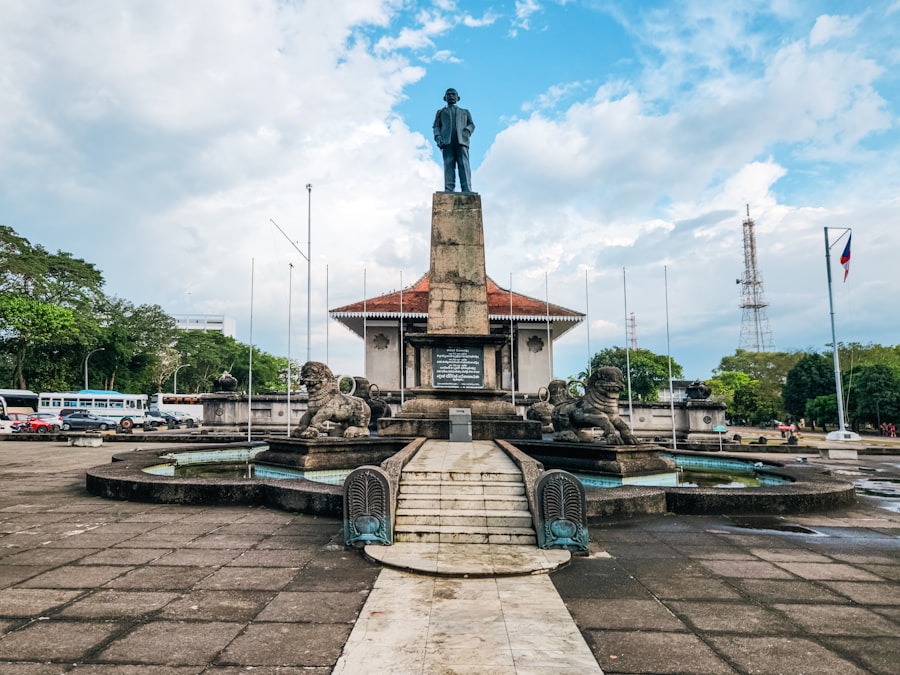
As you consider the future of historic landmarks in Minneapolis and St. Paul, it becomes clear that ongoing preservation efforts will be essential in maintaining their relevance in an ever-changing urban landscape. The challenge lies in balancing modernization with historical integrity; cities must adapt to contemporary needs while honoring their pasts.
Innovative approaches to preservation can include integrating technology into visitor experiences or repurposing buildings for new uses without compromising their historical significance. Community involvement will also play a crucial role in shaping the future of these landmarks. Engaging residents in discussions about preservation priorities ensures that diverse voices are heard and considered in decision-making processes.
As you explore these cities, remember that each landmark represents not just a piece of history but also a living testament to the resilience and creativity of its community. In conclusion, Minneapolis and St. Paul offer a wealth of historic landmarks that reflect their rich cultural heritage and architectural diversity.
By exploring these sites, you can gain a deeper understanding of what makes these cities unique while appreciating the ongoing efforts to preserve their stories for future generations. Whether you’re drawn to their historical significance or simply want to enjoy their beauty, the Twin Cities promise an enriching experience that celebrates both past and present.
If you’re planning a visit to the Twin Cities and are interested in exploring beyond the top historic landmarks in Minneapolis and St. Paul, you might want to consider discovering some of the area’s lesser-known natural retreats. A great resource for this is the article on Hidden Gem Parks to Explore in Minneapolis. This guide offers insights into some of the city’s most serene and picturesque parks, providing a perfect complement to the rich historical sites you might already have on your itinerary. Whether you’re a nature enthusiast or simply looking for a peaceful escape, these hidden gems offer a unique perspective on the natural beauty that Minneapolis has to offer.