
When you embark on a journey to explore historic sites, you are not merely visiting places; you are stepping into the pages of history. Each site tells a story, a narrative woven through time that connects you to the past. Imagine walking through ancient ruins, where the echoes of bygone civilizations resonate in the air.
As you wander through these remnants, you can almost feel the presence of those who once inhabited these spaces, their lives and struggles etched into the very stones beneath your feet. Whether it’s a crumbling castle, a battlefield, or a preserved colonial town, each historic site offers a unique glimpse into the lives of those who came before you. As you delve deeper into these sites, you may find that they are not just relics of history but also vibrant centers of learning and culture.
Many historic locations offer guided tours led by knowledgeable historians who can provide context and insight that enrich your experience. You might discover fascinating anecdotes about the people who lived there, the events that transpired, and the significance of the site in shaping the present. Engaging with these stories allows you to appreciate the complexities of history and understand how it has influenced contemporary society.
By exploring historic sites, you not only satisfy your curiosity but also foster a deeper connection to your own heritage and the world around you. Check out the latest and greatest Things To Do in The Twin Cities at
Cultural festivals are vibrant celebrations that bring communities together to honor their heritage and traditions. When you participate in these events, you are not just an observer; you become part of a living tapestry of culture. From music and dance to food and art, festivals offer a sensory feast that allows you to experience the richness of diverse cultures firsthand.
You might find yourself dancing to traditional music, savoring authentic cuisine, or admiring local artisans as they showcase their crafts. These festivals often serve as platforms for storytelling, where individuals share their personal narratives and cultural histories. Engaging with these stories can deepen your understanding of different perspectives and foster empathy for others.
Additionally, cultural festivals often promote inclusivity and diversity, inviting people from all backgrounds to come together in celebration. By participating in these events, you not only enjoy a festive atmosphere but also contribute to the preservation and promotion of cultural heritage within your community.
Taking Heritage Tours
Heritage tours offer a unique opportunity to explore the historical and cultural significance of a region through guided exploration. When you embark on a heritage tour, you are led by knowledgeable guides who share insights and stories that bring the past to life. These tours often take you off the beaten path, revealing hidden gems and lesser-known sites that may not be included in traditional travel itineraries.
As you traverse through neighborhoods steeped in history, you gain a deeper appreciation for the architectural styles, local customs, and historical events that have shaped the area. Participating in heritage tours also allows for meaningful interactions with local residents who may share their personal experiences and connections to the history being explored. These conversations can provide valuable context and enrich your understanding of the community’s heritage.
Whether it’s walking through historic districts, visiting significant landmarks, or exploring cultural enclaves, heritage tours offer an immersive experience that connects you to the essence of a place. By taking part in these tours, you not only expand your knowledge but also support local economies and promote sustainable tourism practices.
Attending Historical Reenactments
Attending historical reenactments is like stepping into a time machine that transports you back to pivotal moments in history. These events bring history to life through carefully crafted performances that recreate significant battles, daily life in different eras, or cultural traditions. As you watch actors don period costumes and engage in scripted dialogues or demonstrations, you gain a visceral understanding of what life was like during those times.
The sights and sounds of reenactments can evoke powerful emotions, allowing you to connect with history on a personal level. Moreover, historical reenactments often involve audience participation, inviting you to engage with the performers and ask questions about their roles and experiences. This interactive element fosters a sense of community as spectators come together to share in the experience.
You may find yourself inspired by the dedication of reenactors who meticulously research their roles to ensure authenticity. By attending these events, you not only enjoy entertainment but also contribute to the preservation of history by supporting organizations dedicated to educating the public about our shared past.
Learning about Indigenous History
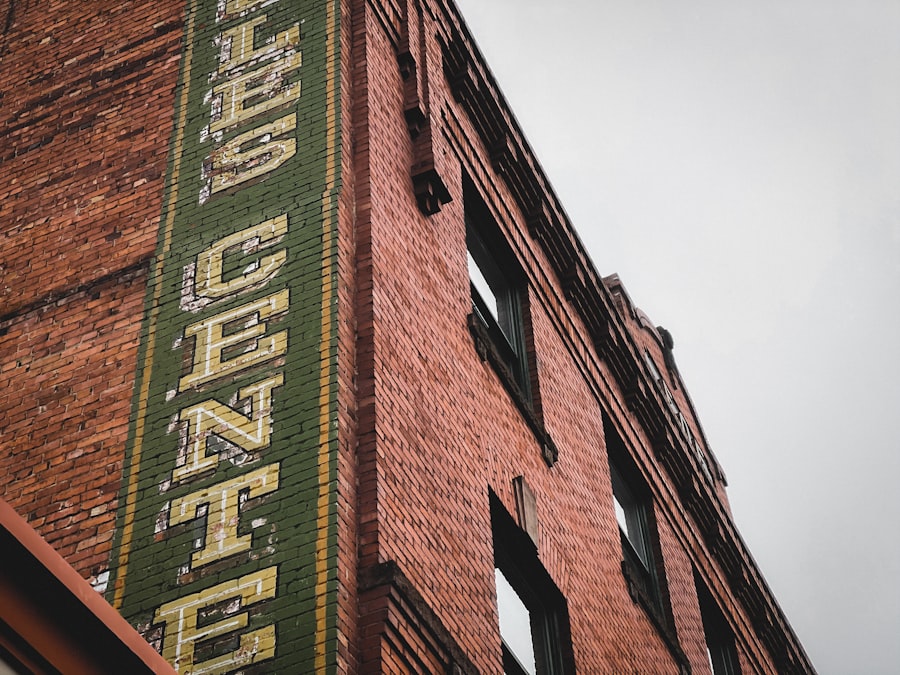
Learning about Indigenous history is essential for gaining a comprehensive understanding of our collective past. Indigenous cultures have rich traditions, languages, and histories that predate colonization by centuries. When you take the time to explore Indigenous history, you open yourself up to a wealth of knowledge that challenges conventional narratives and highlights the resilience of Indigenous peoples.
You might visit cultural centers or attend workshops where Indigenous elders share their stories, teachings, and perspectives on land stewardship. Engaging with Indigenous history also involves recognizing the ongoing impact of colonization and understanding contemporary issues faced by Indigenous communities today. By listening to Indigenous voices and supporting their initiatives, you contribute to efforts aimed at reconciliation and healing.
This journey not only enriches your understanding of history but also fosters respect for diverse cultures and promotes social justice. Learning about Indigenous history is an important step toward building bridges between communities and honoring the legacies of those who have been marginalized.
Engaging in Community Heritage Projects
Engaging in community heritage projects is a powerful way to contribute to the preservation of local culture while fostering connections with others who share your passion for history. These projects often involve collaborative efforts among community members to document oral histories, restore historic buildings, or create public art installations that reflect local heritage. When you participate in such initiatives, you become an active steward of your community’s history, helping to ensure that it is celebrated and remembered for generations to come.
Moreover, community heritage projects often provide opportunities for skill-building and personal growth. You might learn new techniques in restoration work or gain insights into project management while collaborating with others who have diverse backgrounds and expertise. These experiences can deepen your sense of belonging within your community as you work together toward a common goal.
By engaging in community heritage projects, you not only contribute to preserving local culture but also strengthen social ties and foster a sense of pride in your shared history.
Supporting Local Heritage Organizations
Supporting local heritage organizations is crucial for ensuring that cultural preservation efforts continue to thrive within your community. These organizations play a vital role in safeguarding historical sites, promoting educational programs, and advocating for policies that protect cultural resources. When you lend your support—whether through volunteering your time, donating funds, or attending events—you help sustain initiatives that celebrate and preserve local heritage.
Additionally, local heritage organizations often serve as hubs for community engagement and collaboration. They provide platforms for individuals to come together around shared interests in history and culture while fostering dialogue about important issues facing their communities today. By supporting these organizations, you contribute to creating spaces where diverse voices can be heard and valued.
Your involvement not only helps preserve history but also empowers future generations to appreciate their cultural roots and continue the work of safeguarding their heritage. In conclusion, exploring historic sites, visiting local museums, participating in cultural festivals, taking heritage tours, attending historical reenactments, learning about Indigenous history, engaging in community heritage projects, and supporting local heritage organizations are all vital ways for you to connect with your past while enriching your present. Each experience offers unique insights into the complexities of history and culture while fostering connections within your community.
By actively participating in these activities, you contribute to preserving our shared heritage for future generations while deepening your understanding of the world around you.
If you’re interested in exploring the rich local history and heritage of the Twin Cities, you might also enjoy discovering the various educational museums available in the area. These museums offer a fantastic opportunity for families to learn about the region’s past while engaging in interactive exhibits. For more information, check out this article on educational museums for families in the Twin Cities.