
When you think about the Twin Cities, a wealth of historic landmarks comes to mind. Each site tells a unique story, from the grand State Capitol Building to the innovative Guthrie Theater. You might find yourself captivated by the architectural beauty and rich history that surrounds you. So, what’s the first landmark you’ll want to explore, and what hidden gems might await just beyond its doors?
The State Capitol Building

As you approach the State Capitol Building in St. Paul, you can’t help but marvel at its stunning architecture. The golden dome, gleaming in the sunlight, beckons you closer.
Built in 1905, this historic structure showcases the beauty of Neoclassical design and intricate detailing. You’ll find a rich history inside, with murals and sculptures that tell the story of Minnesota’s past.
Don’t miss the chance to explore the impressive rotunda and peek into the legislative chambers. Guided tours are available, offering insights into the building’s significance and the legislative process.
Strolling through the surrounding grounds, you’ll appreciate the landscaped gardens and monuments, making it a perfect spot to soak in the culture and history of the Twin Cities.
Fort Snelling
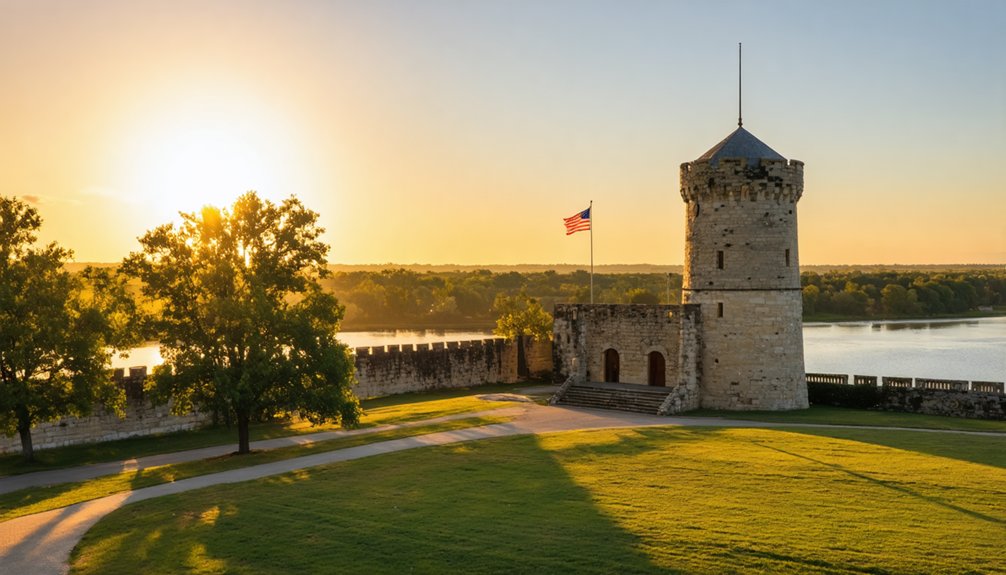
Perched at the confluence of the Mississippi and Minnesota Rivers, Fort Snelling is a pivotal landmark that tells the story of the region’s early history.
You’ll find this historic fort, built in the early 1820s, offering a glimpse into military life during the 19th century. As you explore the grounds, you can visit the restored buildings and learn about the soldiers stationed here, including their role in the U.S.-Dakota War.
The fort also served as a crucial supply depot during the Civil War. Don’t miss the breathtaking views of the rivers from atop the bluff.
Engaging exhibits and knowledgeable staff make your visit to Fort Snelling both educational and memorable, allowing you to connect with the past in a meaningful way.
The Minneapolis City Hall
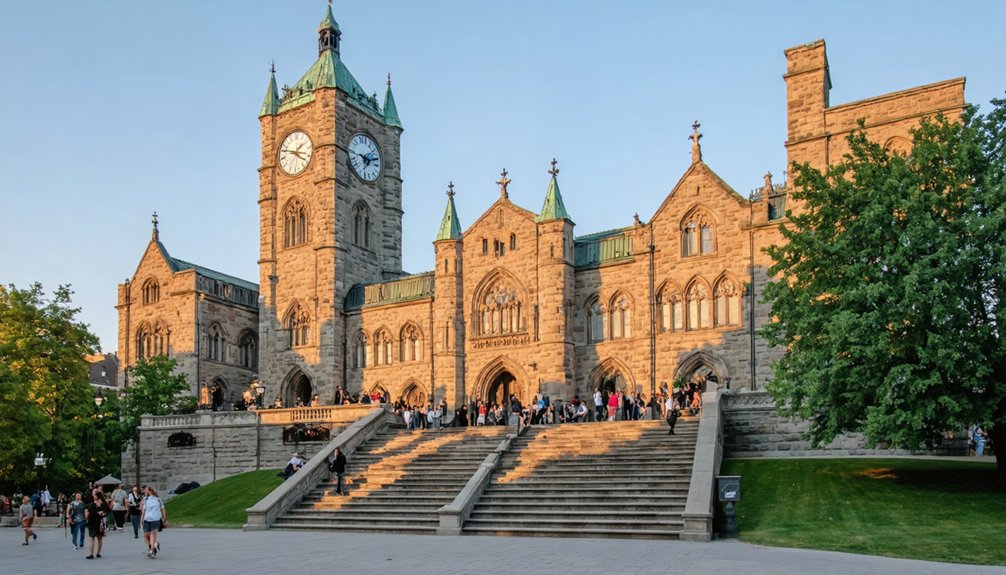
Whether you’re strolling through downtown or attending a city council meeting, the Minneapolis City Hall stands as a striking example of civic architecture.
Completed in 1906, this iconic building features a stunning clock tower that reaches 346 feet into the sky, making it a prominent part of the city’s skyline.
As you explore its grand interior, you’ll notice intricate mosaics and elegant woodwork that reflect the city’s rich history.
Be sure to visit the council chambers, where local decisions shape the community.
Don’t miss the opportunity to take a guided tour for deeper insights into its historical significance.
The City Hall isn’t just a seat of government; it’s a testament to Minneapolis’s commitment to civic pride and architectural beauty.
The Foshay Tower
The Foshay Tower, completed in 1929, stands as a proud symbol of Minneapolis’s vibrant history and architectural innovation.
As you approach this iconic structure, you’ll marvel at its Art Deco design and striking 447-foot height. Once the tallest building in the city, it offers breathtaking views of the skyline from its observation deck.
You can explore the Foshay Museum, which showcases the fascinating history of the tower and its namesake, Wilbur Foshay.
Don’t forget to check out the stunning lobby featuring intricate murals and terrazzo floors.
Whether you’re a history buff or an architecture enthusiast, visiting the Foshay Tower is a must. It’s more than just a building; it’s a testament to the city’s rich cultural heritage.
The James J. Hill House
Just a short distance from the Foshay Tower, you’ll find the James J. Hill House, a stunning example of Romanesque Revival architecture.
Built in 1891 for the railroad magnate James J. Hill, this grand mansion boasts 36,000 square feet and 22 rooms filled with intricate woodwork and elegant furnishings.
As you explore, don’t miss the beautiful stained glass windows and the impressive art collection.
The house tells the story of Hill’s influence on the region and offers a glimpse into the opulent lifestyle of the late 19th century.
Guided tours provide fascinating insights into the history and design of this landmark.
Make sure to take your time to appreciate the craftsmanship and historical significance of this architectural gem.
The Cathedral of Saint Paul
Perched majestically on a hill, the Cathedral of Saint Paul stands as a stunning symbol of faith and artistry in the heart of Minnesota’s capital. As you approach its grand façade, you’ll be captivated by the intricate details and soaring dome that dominate the skyline.
Inside, the cathedral’s breathtaking stained glass windows and ornate altars invite you to pause and reflect. Don’t miss the chance to explore the peaceful gardens surrounding the site, offering a perfect spot for quiet contemplation.
Whether you’re drawn by spiritual significance or architectural beauty, this landmark promises an unforgettable experience. Take a moment to appreciate the craftsmanship that went into this masterpiece, and let the serene atmosphere envelop you.
Historic Fort Snelling
Nestled at the confluence of the Minnesota and Mississippi Rivers, Historic Fort Snelling offers a glimpse into the region’s rich military past.
As you explore the fort, you’ll discover its fascinating history, dating back to the early 1800s. You can walk through restored buildings and imagine life for soldiers stationed here.
Don’t miss the chance to learn about the fort’s role in the U.S.-Dakota War and its significance in the westward expansion.
The beautiful surroundings provide a perfect backdrop for a leisurely stroll, while informative exhibits deepen your understanding.
Engaging programs and reenactments bring history to life, making your visit both educational and enjoyable.
Historic Fort Snelling is a must-see for anyone interested in Minnesota’s heritage.
The Guthrie Theater
As you step into the Guthrie Theater, you’ll instantly feel the vibrant pulse of the performing arts scene in the Twin Cities.
This iconic venue, designed by architect Jean Nouvel, boasts stunning views of the Mississippi River and the Minneapolis skyline.
Catch a diverse range of performances, from classic plays to contemporary works, all while enjoying the theater’s innovative staging and exceptional acoustics.
Don’t miss the famous Endless Bridge, where you can take in breathtaking panoramic views.
With its commitment to artistic excellence, the Guthrie not only showcases talent but also fosters community engagement through various educational programs.
Whether you’re a theater aficionado or a casual visitor, the Guthrie offers an unforgettable cultural experience you won’t want to miss.
The Wells Fargo Place
Wells Fargo Place stands as a striking symbol of modern architecture in the heart of downtown St. Paul. Towering at 471 feet, it’s the tallest building in the city and boasts a sleek, glass-clad exterior that reflects the skyline.
When you visit, take a moment to admire the unique design elements, including its iconic triangular roof. The building’s lobby features impressive art and offers a glimpse into the city’s vibrant culture.
As you stroll around, you’ll notice its proximity to other landmarks, making it a perfect starting point for your exploration. Don’t forget to look up; the views from the surrounding streets capture its grandeur.
Wells Fargo Place truly embodies the spirit of progress in the Twin Cities.
The Mill City Museum
While exploring the vibrant landscape of Minneapolis, the Mill City Museum offers a unique glimpse into the city’s rich history and industrial heritage.
Housed in the ruins of the Washburn A Mill, this museum immerses you in the story of flour production and its impact on the region. As you wander through interactive exhibits, you’ll learn about the rise of Minneapolis as the “Flour Milling Capital of the World.”
Don’t miss the stunning views from the observation deck, where you can see the Mississippi River and the surrounding skyline.
Whether you’re a history buff or just curious, the Mill City Museum provides a captivating experience that highlights the ingenuity and resilience of the city’s past.
Conclusion
As you explore the Twin Cities, don’t miss the chance to experience these historic landmarks. Each site, from the stunning State Capitol to the captivating Guthrie Theater, offers a glimpse into the rich cultural tapestry of the area. Whether you’re drawn to architectural marvels or tales of the past, there’s something for everyone. So grab your walking shoes, dive into history, and let the vibrant stories of the Twin Cities inspire your adventure!
[…] Valentine’s Day in Minneapolis, you might also be interested in exploring some of the best historic landmarks in the Twin Cities. These landmarks offer a charming backdrop for a day of exploration and can add a touch of history […]
[…] be interested in discovering the rich history of the area. A great resource is the article on the best historic landmarks in the Twin Cities, which highlights significant sites that can enhance your understanding of the local heritage while […]
[…] you might also be interested in exploring the rich history of the area. Check out this article on the best historic landmarks in the Twin Cities to discover some fascinating sites that you can visit during the day before heading out for an […]
[…] in the rich heritage of the area, a great complement to your itinerary is the article on the best historic landmarks in the Twin Cities, which highlights must-see sites that reflect the architectural and historical significance of the […]