
As we look toward 2025, the landscape of affordable housing in Minneapolis is evolving, shaped by a combination of economic pressures, community needs, and innovative solutions. The city has long grappled with the challenge of providing adequate housing for all its residents, particularly those with lower incomes. In recent years, the urgency of this issue has intensified, prompting local leaders, organizations, and residents to collaborate on strategies that aim to make housing more accessible and affordable.
We find ourselves at a pivotal moment where the decisions made today will have lasting impacts on the community’s fabric and the well-being of its inhabitants. In this context, affordable housing is not merely a matter of shelter; it is a fundamental component of social equity and economic stability. As we delve into the various aspects of affordable housing in Minneapolis, we will explore rental options, homeownership opportunities, government assistance programs, community development initiatives, and innovative solutions that are being implemented.
Each of these elements plays a crucial role in addressing the pressing need for affordable housing and ensuring that all residents have a place to call home. Twin Cities Business Directory is a great resource for finding local businesses in the Minneapolis and St. Paul area.
Rental Options for Affordable Housing in Minneapolis 2025
When we consider rental options for affordable housing in Minneapolis, we recognize that a diverse range of choices is essential to meet the varying needs of our community. In 2025, we can expect to see an increase in the availability of subsidized housing units, which are designed to provide lower-income families with access to safe and stable living environments. These units often come with rent that is adjusted based on income levels, allowing families to allocate their resources more effectively.
As we navigate this landscape, it is crucial for us to remain informed about the different programs available and how they can benefit those in need. Moreover, we anticipate that the city will continue to support the development of mixed-income housing projects. These initiatives not only provide affordable rental options but also foster a sense of community by integrating residents from various socioeconomic backgrounds.
By promoting inclusivity and diversity within neighborhoods, we can create vibrant communities where everyone has the opportunity to thrive. As we explore these rental options, it is essential for us to advocate for policies that prioritize affordability and accessibility in housing development.
Homeownership Opportunities for Affordable Housing in Minneapolis 2025
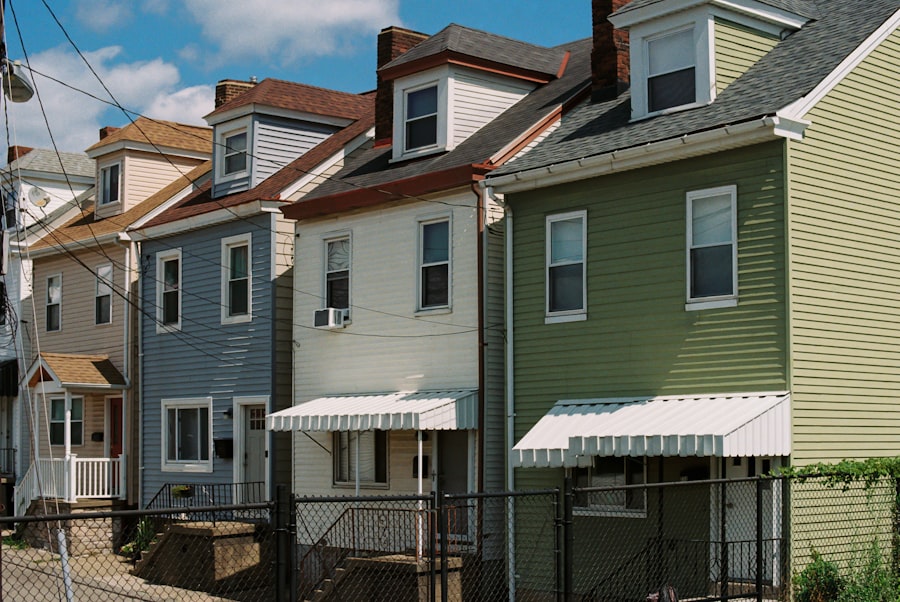
Homeownership represents a significant milestone for many individuals and families, serving as a pathway to financial stability and community investment. In 2025, we envision a range of homeownership opportunities designed specifically for low- and moderate-income residents in Minneapolis. Programs aimed at reducing barriers to homeownership will be crucial in helping families achieve their dreams of owning a home.
These initiatives may include down payment assistance, low-interest loans, and educational resources that empower potential homeowners with the knowledge they need to navigate the buying process. Additionally, we foresee an increase in the availability of affordable housing developments that cater to first-time homebuyers. By focusing on creating homes that are both affordable and sustainable, we can ensure that new homeowners are not only able to purchase their properties but also maintain them over time.
As we work together to promote these opportunities, it is vital for us to engage with local organizations and government agencies that are dedicated to supporting homeownership initiatives. By fostering collaboration among stakeholders, we can create a more robust framework for affordable homeownership in Minneapolis.
Government Assistance Programs for Affordable Housing in Minneapolis 2025
Government assistance programs play a pivotal role in addressing the affordable housing crisis in Minneapolis. As we look ahead to 2025, we can expect continued investment from local, state, and federal governments aimed at increasing access to affordable housing options. Programs such as Section 8 vouchers and public housing initiatives are essential tools that help low-income families secure stable living arrangements.
These programs not only provide financial support but also contribute to the overall health and well-being of our communities. In addition to traditional assistance programs, we anticipate the introduction of new initiatives designed to address specific needs within our population. For instance, programs targeting homeless individuals or families facing eviction will be critical in preventing displacement and ensuring that everyone has access to safe housing.
As we advocate for these government programs, it is important for us to remain engaged with policymakers and community leaders to ensure that funding is allocated effectively and that these initiatives reach those who need them most.
Community Development Initiatives for Affordable Housing in Minneapolis 2025
Community development initiatives are vital in shaping the future of affordable housing in Minneapolis. As we move toward 2025, we envision a collaborative approach that involves residents, local organizations, and government entities working together to create sustainable housing solutions. These initiatives often focus on revitalizing neighborhoods through investments in infrastructure, public spaces, and community resources.
By fostering a sense of ownership and pride among residents, we can create environments where people feel connected and invested in their communities. Furthermore, we recognize the importance of engaging residents in the decision-making process regarding housing development. By incorporating community input into planning efforts, we can ensure that new projects align with the needs and desires of those who live there.
This participatory approach not only enhances the effectiveness of community development initiatives but also empowers residents to take an active role in shaping their neighborhoods. As we champion these efforts, it is essential for us to prioritize inclusivity and equity in all aspects of community development.
Innovative Solutions for Affordable Housing in Minneapolis 2025

Innovation will be key in addressing the challenges associated with affordable housing in Minneapolis as we approach 2025. We are witnessing a growing trend toward creative solutions that leverage technology and new building methods to reduce costs and increase efficiency. For instance, modular construction techniques are gaining traction as a way to expedite the building process while maintaining affordability.
By utilizing prefabricated materials and streamlined construction practices, developers can create high-quality housing at a fraction of traditional costs. Additionally, we are excited about the potential of adaptive reuse projects that transform underutilized buildings into affordable housing units. This approach not only preserves the character of our neighborhoods but also minimizes environmental impact by repurposing existing structures.
As we explore these innovative solutions, it is crucial for us to support policies that encourage experimentation and flexibility within the housing market. By fostering an environment conducive to innovation, we can pave the way for more sustainable and affordable housing options.
Challenges and Barriers to Affordable Housing in Minneapolis 2025
Despite our optimism about the future of affordable housing in Minneapolis, we must also confront the challenges and barriers that persist in this arena. One significant obstacle is the rising cost of land and construction materials, which continues to drive up housing prices across the city. As demand for housing increases, developers may be less inclined to pursue affordable projects if they cannot achieve sufficient returns on investment.
This reality underscores the need for creative financing solutions and incentives that encourage developers to prioritize affordability. Moreover, zoning regulations can pose additional challenges to affordable housing development. In many cases, restrictive zoning laws limit the types of housing that can be built in certain areas or impose minimum lot sizes that make it difficult to create dense, affordable units.
As we advocate for more inclusive zoning policies, it is essential for us to engage with local officials and community members to promote changes that facilitate affordable housing development while maintaining neighborhood integrity.
Conclusion and Future Outlook for Affordable Housing in Minneapolis 2025
As we reflect on the future outlook for affordable housing in Minneapolis heading into 2025, it is clear that collaboration will be essential in overcoming challenges and seizing opportunities. By working together—residents, organizations, government agencies, and developers—we can create a comprehensive approach that addresses the diverse needs of our community. Our commitment to fostering inclusive policies and innovative solutions will be critical as we strive to ensure that everyone has access to safe and affordable housing.
In conclusion, while there are significant hurdles ahead, there is also immense potential for positive change within our city’s housing landscape. By remaining engaged and proactive in our efforts, we can help shape a future where affordable housing is not just an aspiration but a reality for all residents of Minneapolis. Together, let us continue advocating for policies and initiatives that prioritize equity, sustainability, and community well-being as we work toward a brighter future for affordable housing in our city.
As Minneapolis continues to explore affordable housing options for 2025, it’s essential to consider the broader cultural and social landscape of the Twin Cities. For those interested in the vibrant arts scene that complements the city’s housing initiatives, you might find the article on Art and Music Events in the Twin Cities Area particularly insightful. This piece highlights the diverse cultural offerings that make the Twin Cities a dynamic place to live, providing a richer context for understanding the importance of accessible housing in maintaining the area’s unique character and community spirit.